

Dr. Nergis Mavalvala on Opening a New Window to the Universe at the 11th Abdus Salam Memorial Lecture
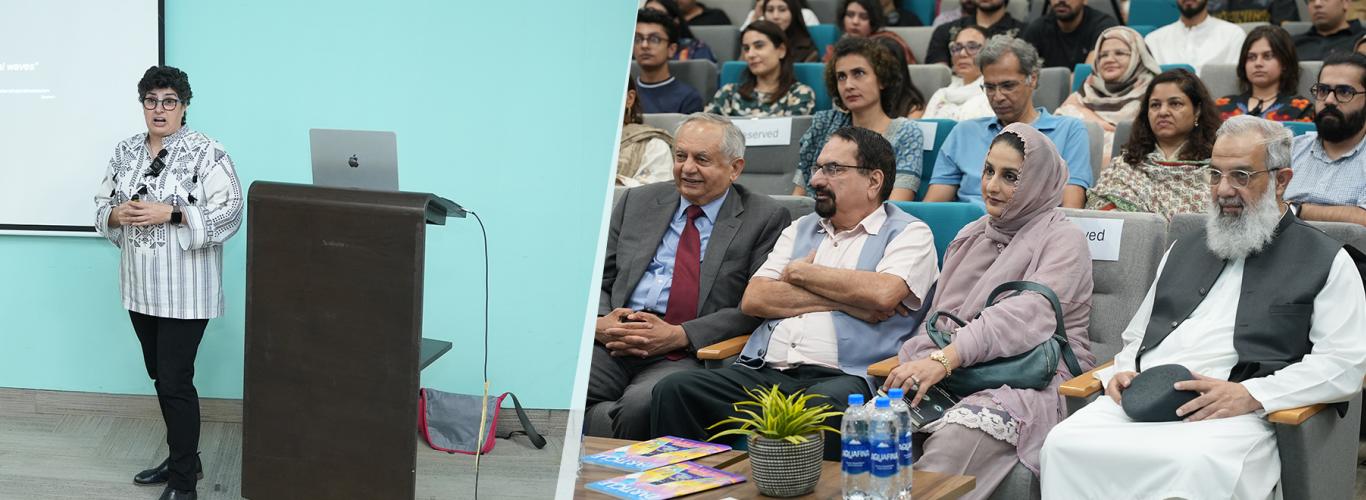


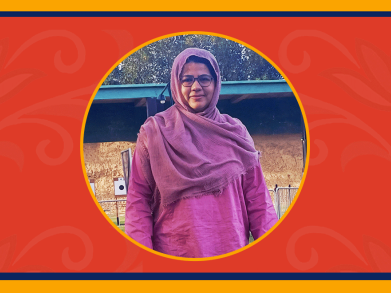
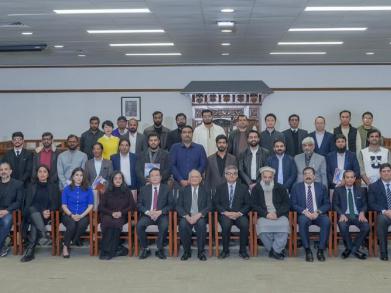
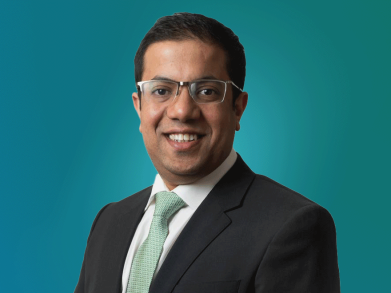
On September 28, the Syed Babar Ali School of Science and Engineering at LUMS hosted the 11th Abdus Salam Memorial Lecture. The annual series honours Dr. Abdus Salam, one of Pakistan's most distinguished scientists, who was awarded the Nobel Prize in Physics in 1979. This year's lecture was delivered by Dr. Nergis Mavalvala, Dean of the MIT School of Science and the Curtis and Kathleen Marble Professor of Astrophysics, and part of the team that made the first direct detection of gravitational waves.
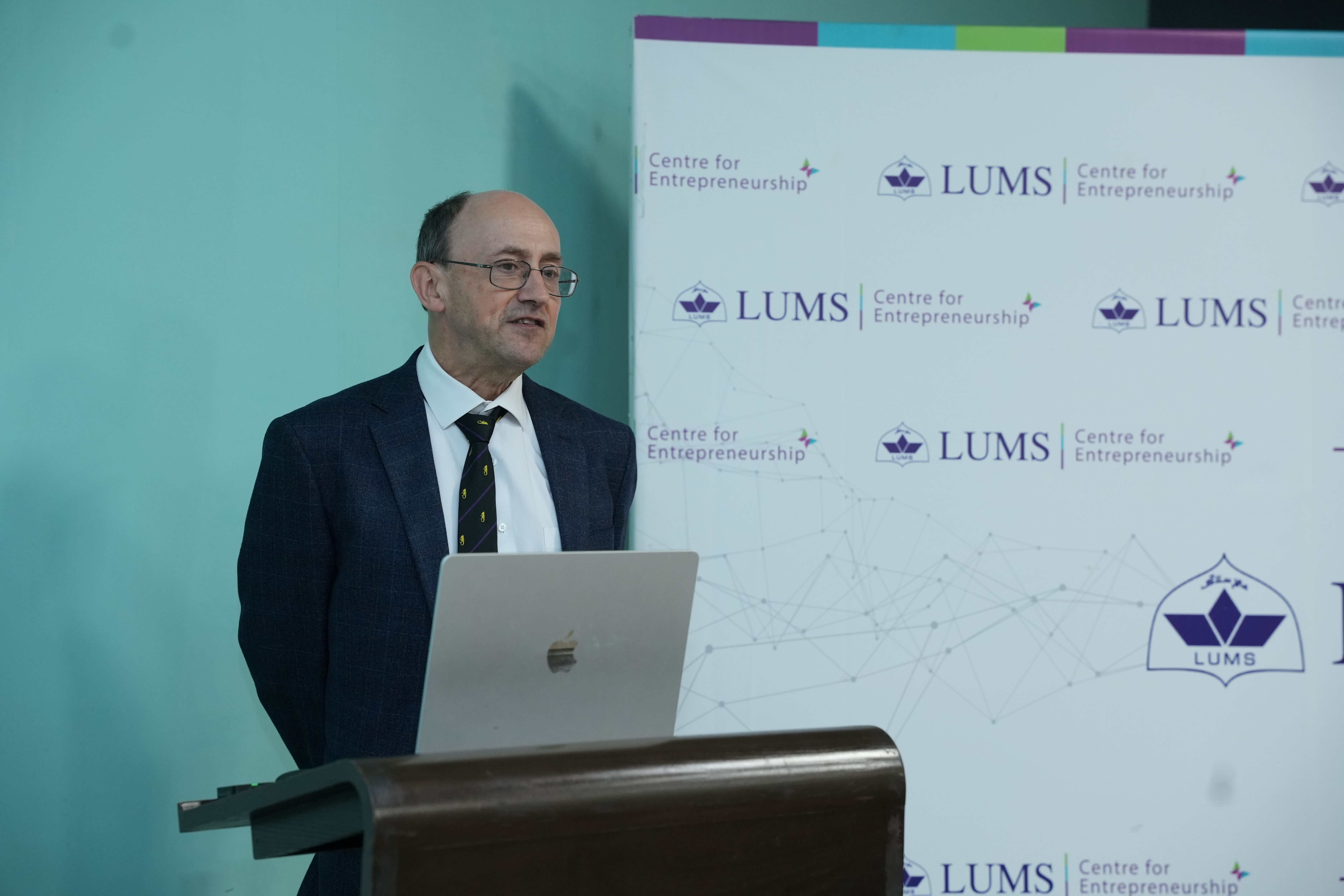
In his introduction, Dr. Walther Schwarzacher, Dean of the Syed Babar Ali School of Science and Engineering, recalled the excitement of his school days when CERN announced the discovery of the particles predicted by Dr. Salam. Dr. Mavalvala, he noted, contributed to another such moment in physics. Born in Lahore and raised in Karachi, she studied at Wellesley College and earned her PhD at MIT under Nobel laureate Dr. Rainer Weiss. Her honours include a MacArthur Fellowship and election to the US National Academy of Sciences.

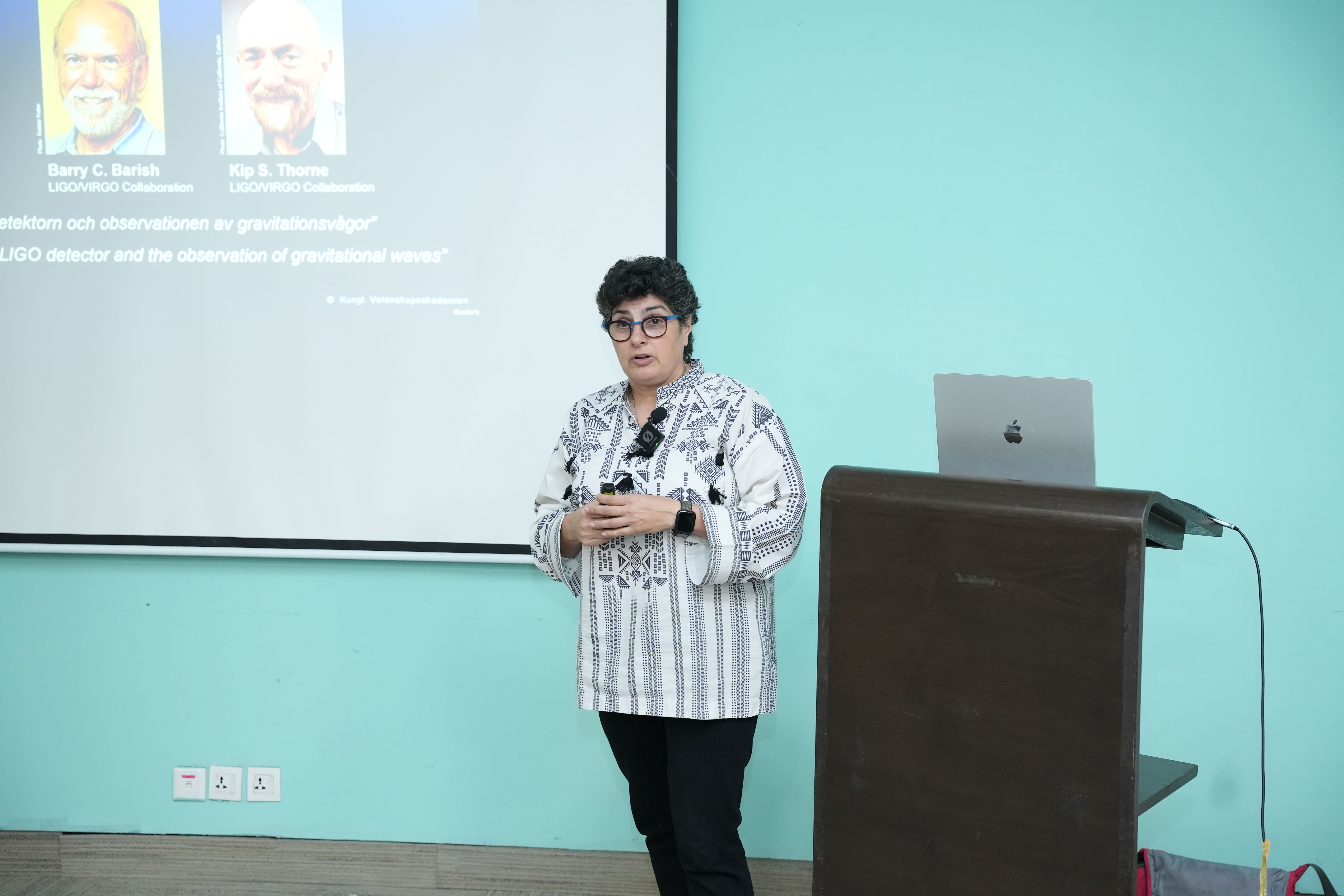
Dr. Mavalvala opened with a bold claim: that the discovery of gravitational waves, and the work since, has opened a new window into the universe. She explained Einstein's view of gravity as the curvature of space and time, likening it to a bowling ball on a trampoline. When massive objects orbit each other, they send ripples through spacetime itself. Einstein doubted these gravitational waves would ever be measured, as they were simply too weak. The discovery of neutron stars and black holes revived interest, and Dr. Kip Thorne and Dr. Rainer Weiss later laid the groundwork for detecting them. The challenge was immense: a passing wave changes the size of a metre-long object by an amount a million times smaller than a proton. Weiss's answer was a laser-based detector with arms kilometres long, which became LIGO.
In 2015, LIGO detected waves from two black holes, each about 30 times the mass of our sun, colliding more than a billion light years away. The discovery earned a Nobel Prize two years later. In 2017, the detectors recorded a collision of two neutron stars, and telescopes around the world then saw light from the same event. This revealed that such collisions forge heavy elements like gold and platinum.
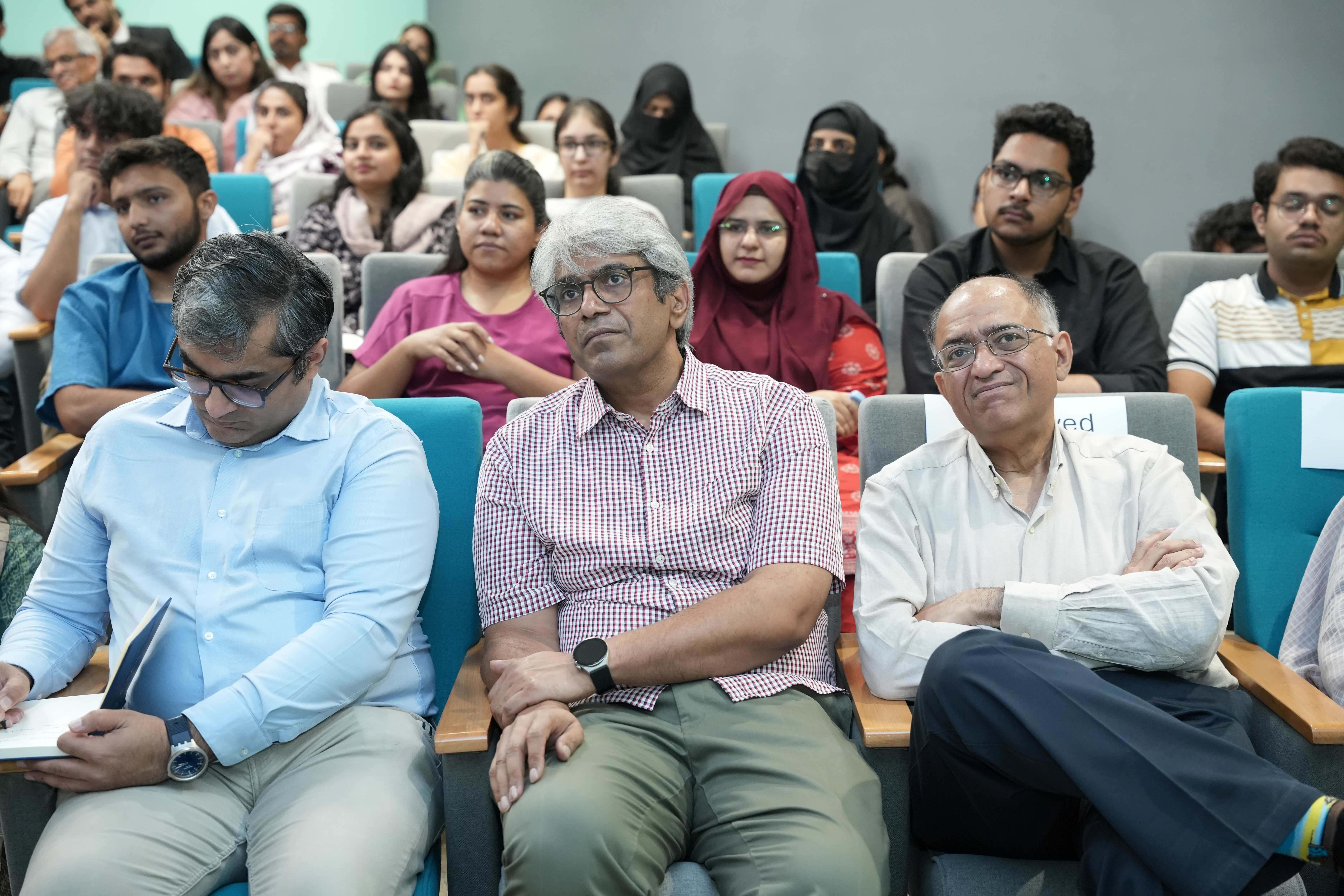
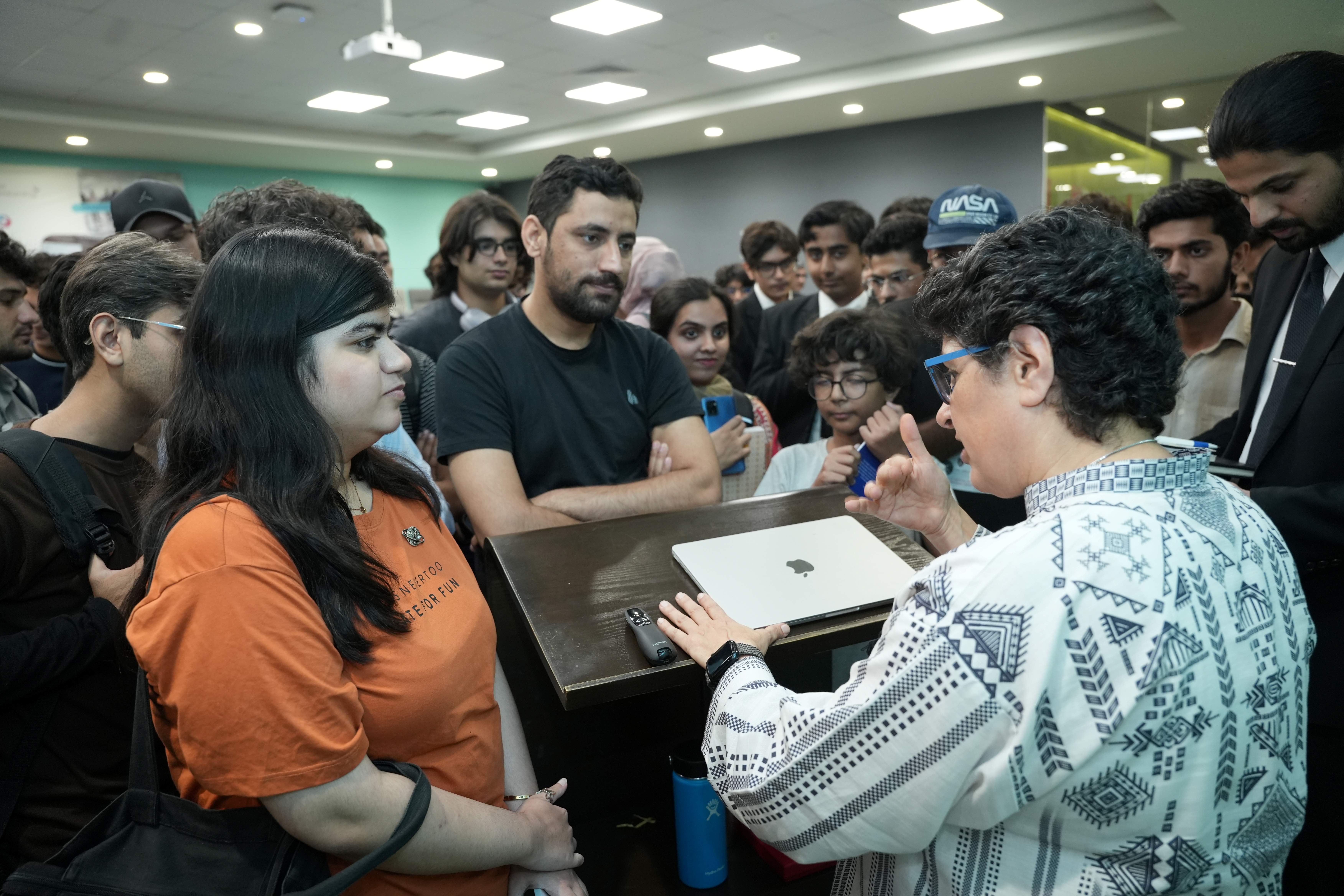
Dr. Mavalvala closed by recalling Galileo, who is remembered less for what he first observed than for showing that instruments could extend human sight. In a hundred years, she said, what will matter is that we learned to observe the universe not only through light, but through gravity. She urged the audience never to stop being curious, imagining and inventing, and never to lose their moral compass along the way.
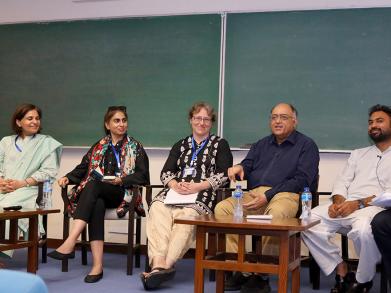
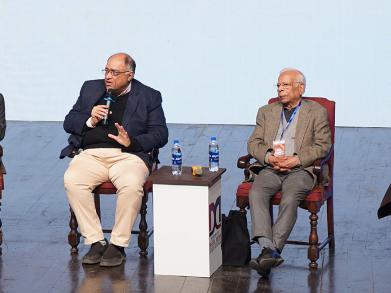
The lecture was followed by a lively discussion with the audience. When asked what discovery would most excite her, Dr. Mavalvala pointed to primordial gravitational waves from the very beginning of the universe, a measurement she said she would look to the next generation to make.
Now in its eleventh year, the Abdus Salam Memorial Lecture series continues to bring leading scientists to LUMS and to celebrate the spirit of curiosity-driven inquiry that defined Dr. Salam's life and work.