

Asia Energy Transition Summit 2025 Concludes at LUMS with Strong Regional Participation


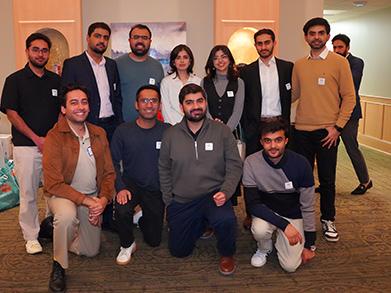
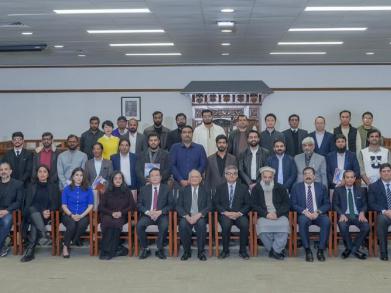
The Asia Energy Transition Summit 2025 concluded at LUMS after two days of dialogue, knowledge-sharing and high-level participation from across the region. Jointly organised by the LUMS Energy Institute (LEI), Alliance for Climate Justice and Clean Energy (ACJCE) and the Pakistan Renewable Energy Coalition (PREC), the event brought together senior government representatives, parliamentarians, diplomats, climate and energy leaders, researchers and civil society organisations from Asia, Europe and the Pacific.
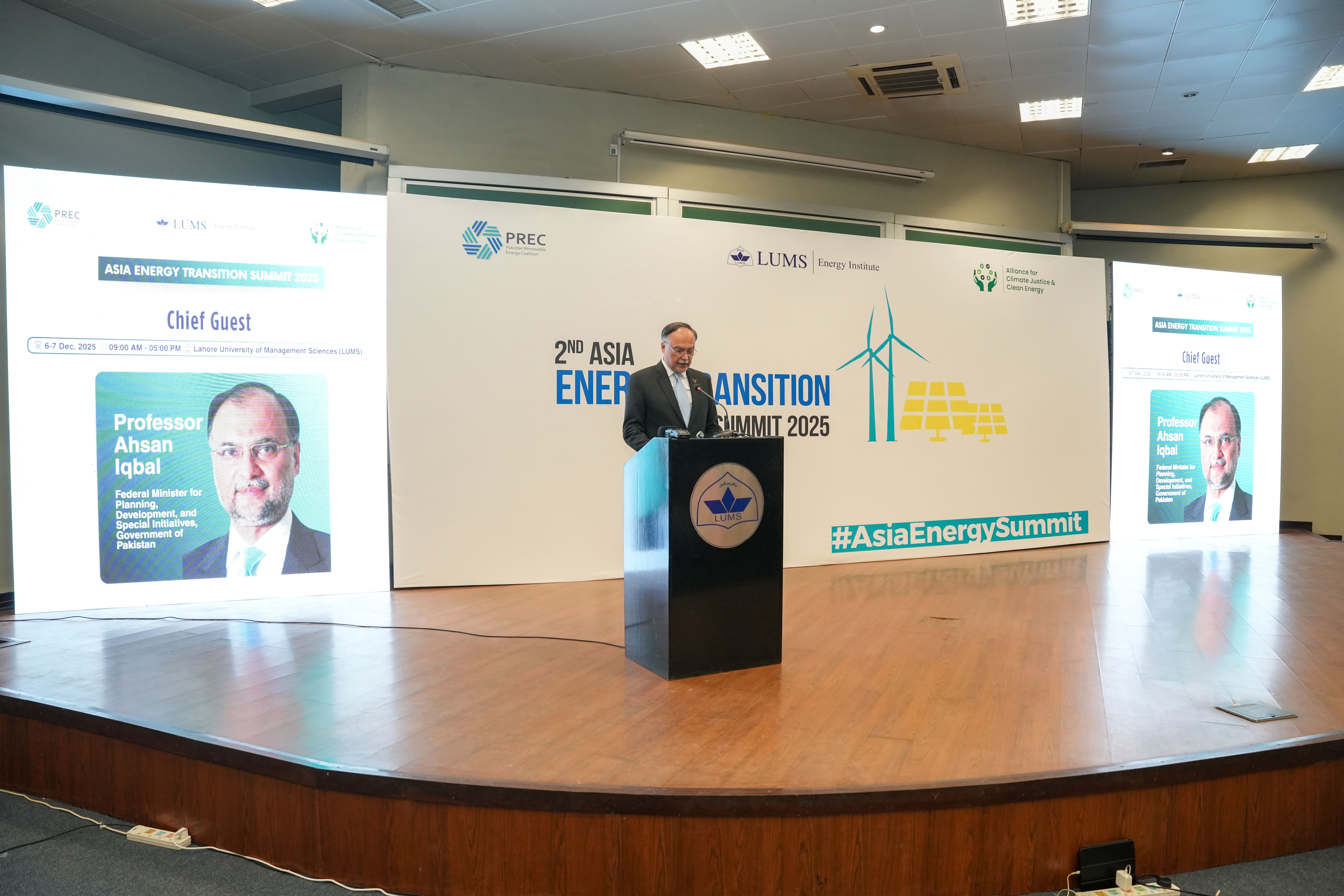
Opening the Summit, Prof. Ahsan Iqbal, Federal Minister for Planning, Development and Special Initiatives, reiterated Pakistan’s focus on reforming its energy outlook and advancing efficiency-led growth. Emphasising the strategic value of sustainability, he remarked, “The most reliable source of clean energy is the energy conserved,” adding that a modernised and resilient power system remains “indispensable to a green, competitive economy.” He called for deeper collaboration across regions, reinforcing that no country can transition effectively in isolation.
Federal Minister for Energy (Power Division), Awais Ahmad Laghari, shared Pakistan’s vision of a flexible and technology-enabled grid. Speaking at the Summit, he said, “We are at a critical juncture in history where the impacts of climate change are becoming more apparent every day. The transition to clean energy is not merely a choice, it is an imperative.”

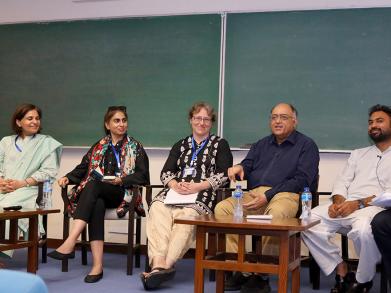
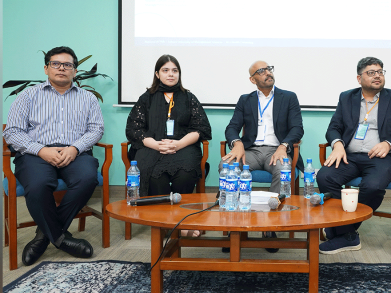
Throughout the Summit, discussions centred on policy alignment, financing mechanisms, cross-border energy cooperation and strengthening institutional resilience. Dr. Shamshad Akhtar highlighted that Asia must play a leading role in shaping global transition debates, advocating for financially prudent and socially equitable models.
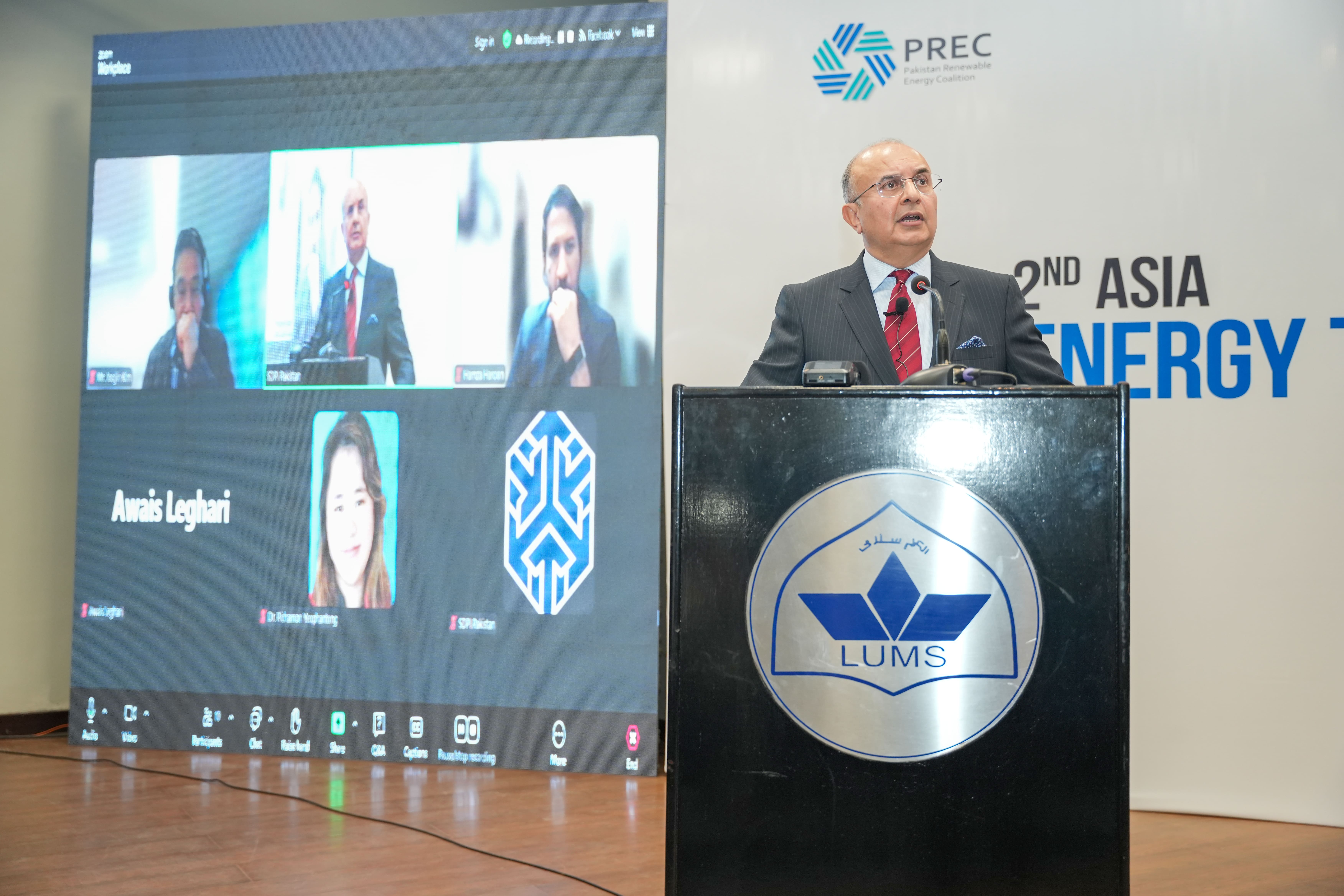
Justice Syed Mansoor Ali Shah underscored accountability and climate rights, observing that climate finance remains insufficient, yet essential. He noted that, “the Supreme Court went ahead and said climate finance is a fundamental right; no adaptation is possible without climate finance.”
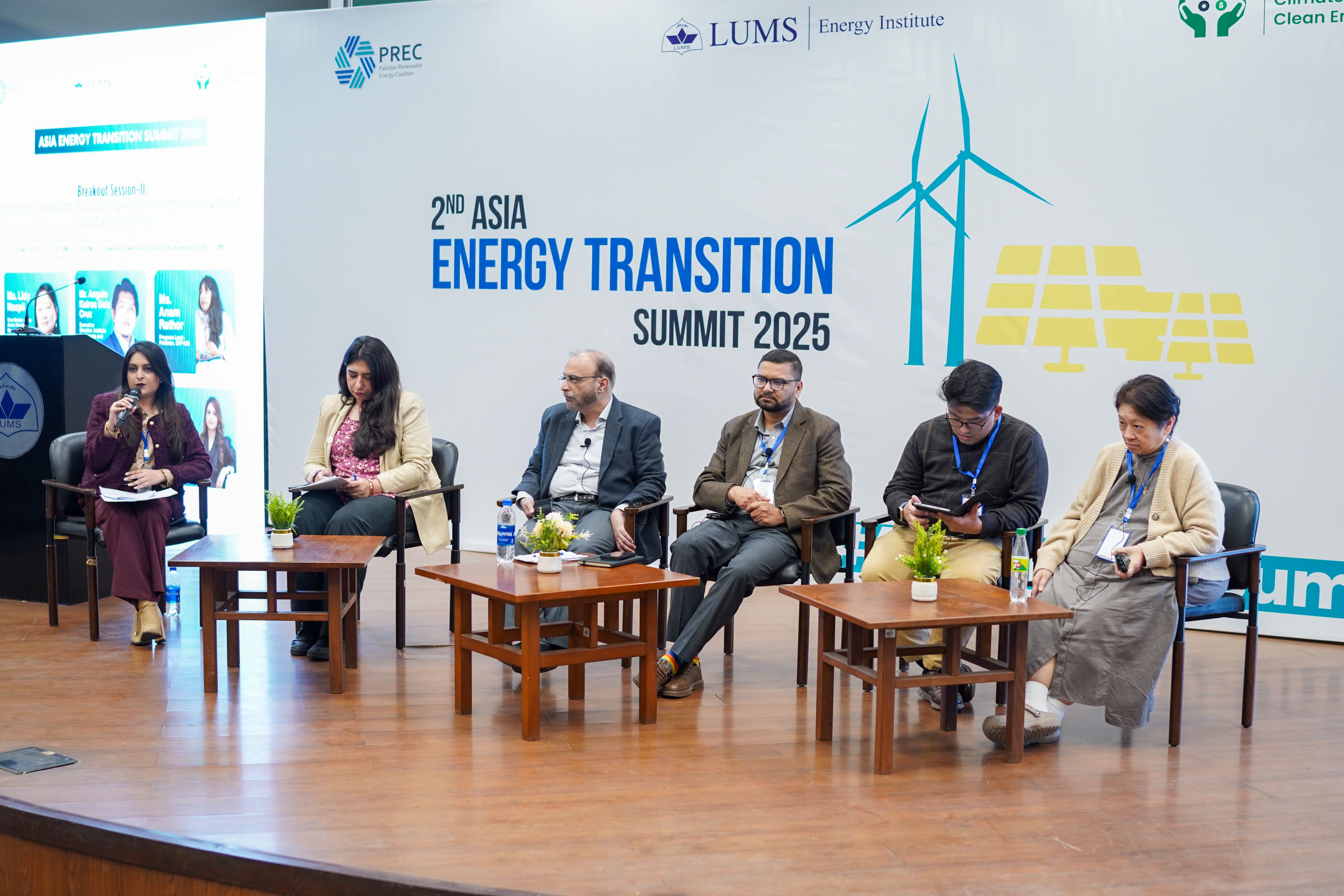
Participants examined tariff and non-tariff barriers, emerging geopolitical alignments, people-centred approaches to energy access and risks stemming from inequitable or technologically misaligned solutions. International delegates contributed perspectives on financing landscapes, distributed renewable models and community-level resilience.
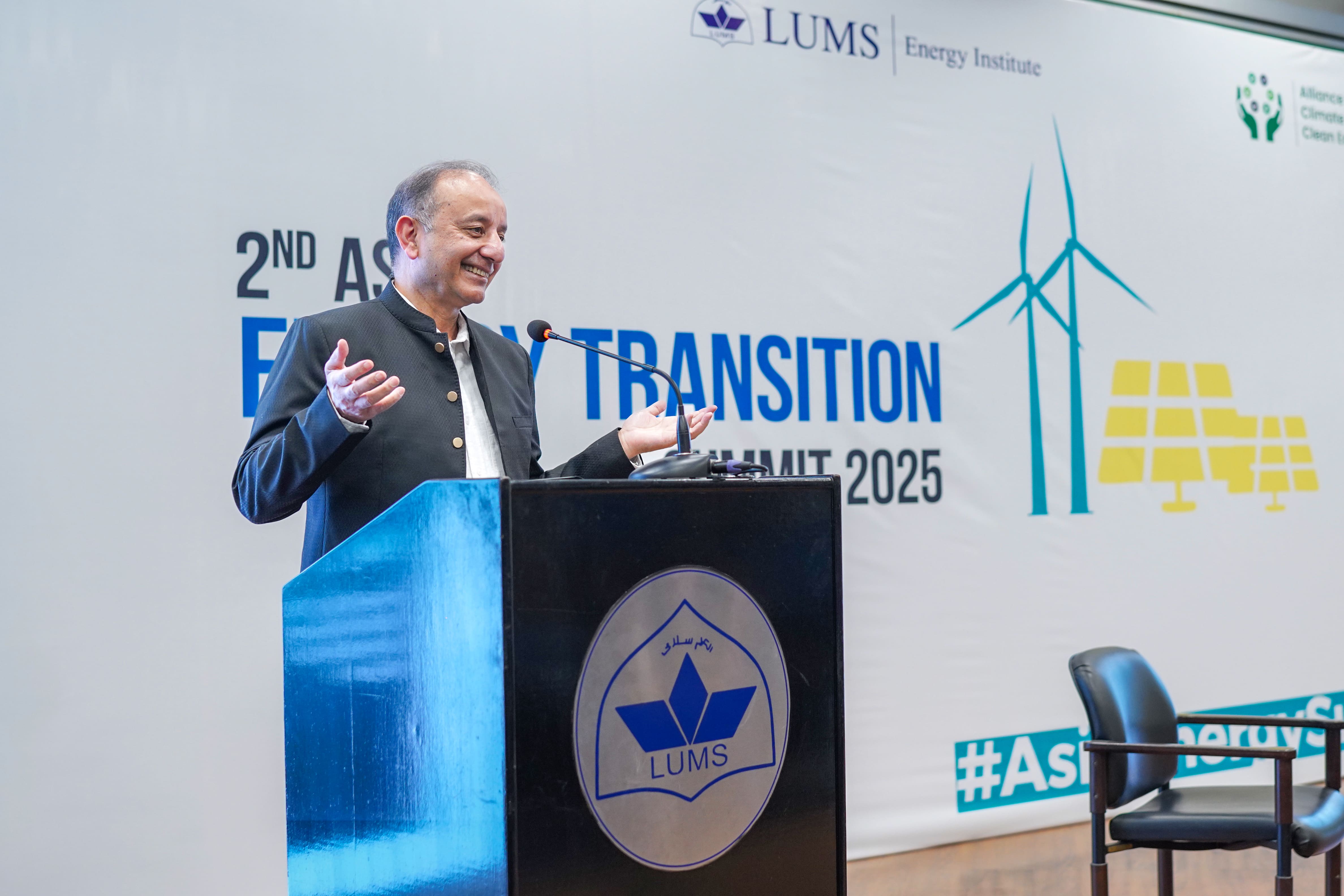
Addressing a closing session, Dr. Musadik Malik, Federal Minister for Climate Change and Environmental Coordination, emphasised that transition strategies must relieve, rather than increase, the financial pressures on developing economies. “The energy transition must ease the already heavy financial burdens on the developing states, not create new ones,” he said. He pointed to rapidly evolving storage solutions as catalysts for smoother renewable integration, noting that falling battery costs will play a decisive role.
Representing parliamentary engagement, Nafeesa Shah stressed the need for political and legislative alignment, stating that “parliamentarians and policymakers are the missing link in the energy transition and climate diplomacy discourse.”

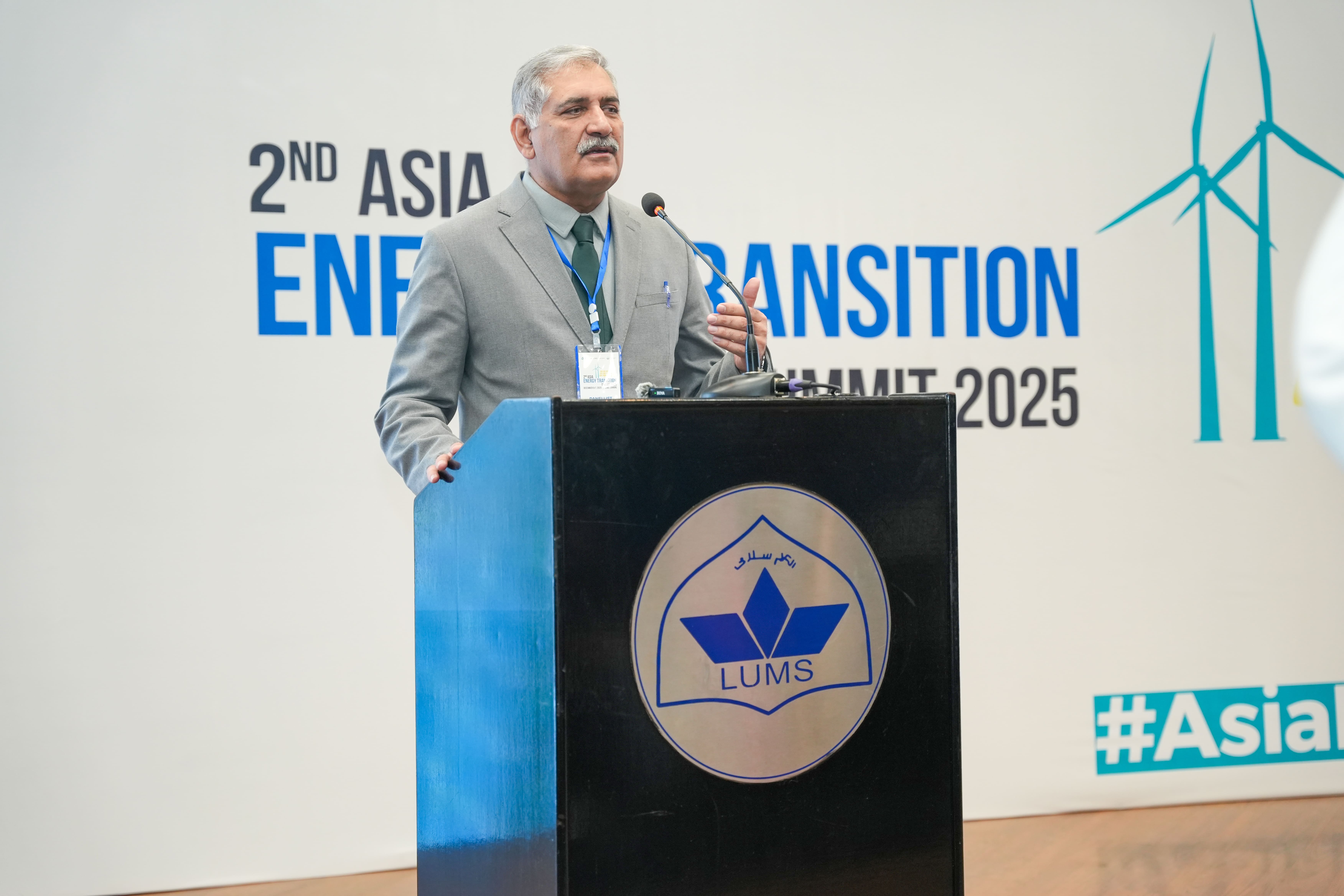
Concluding the Summit, Dr. Tariq Jadoon, Provost at LUMS, reaffirmed the University’s commitment to research-led policy development that strengthens national and regional resilience. Reflecting on collective outcomes, Dr. Fiaz Chaudhry, Chairman National Grid Company and Senior Advisor at LEI, remarked that “the Summit brought together individuals and institutions who recognise sustainability, affordability and technical credibility as foundations for Asia’s energy future,” adding that these exchanges will help shape “financially viable and socially just transition pathways.”
The Asia Energy Transition Summit 2025 closed with renewed commitment from governments, private-sector partners, and international organisations to accelerate regional cooperation and advance a resilient, equitable and sustainable energy transition across Asia.